
Vassiliki Kyriaki
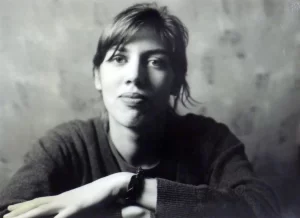
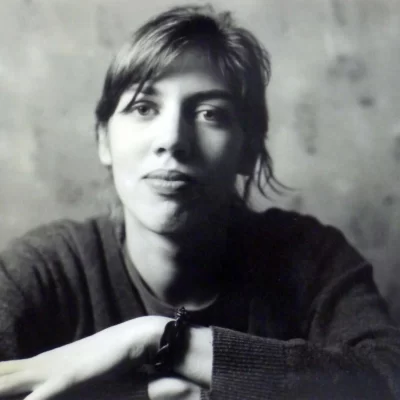
Vassiliki Kyriaki studied sculpture, object design, and jewel design at the School of Fine Arts (University of Western Macedonia, Florina, Greece).
She has also attended seminars on metal casting with goldsmiths, Andronikos Sagiannos, Halilou Dahoud (Greece), and Kimiaki Kageyama (Florence).
The earthenware moulds for the lost wax metal casting technique sparked her interest in ceramics.
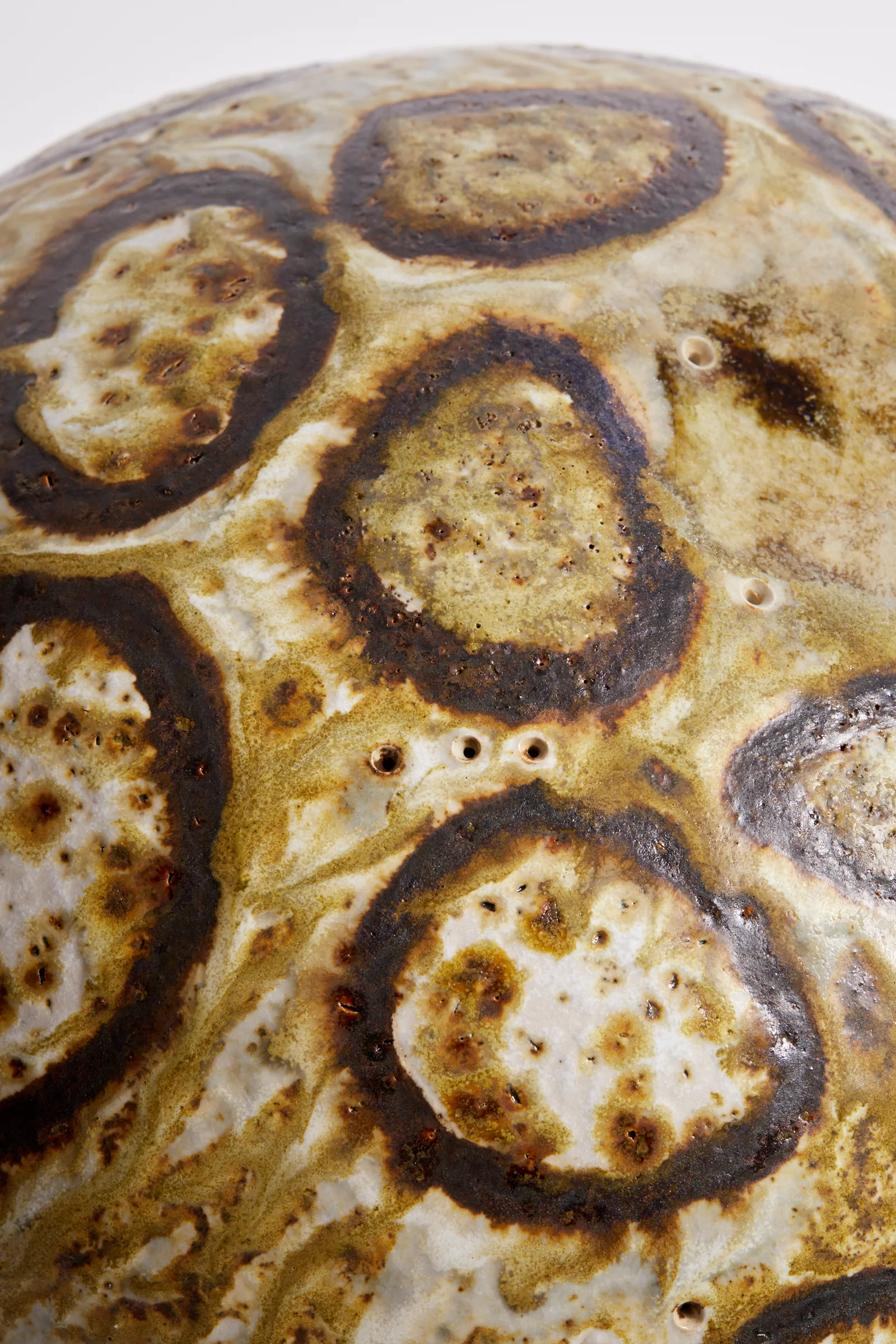
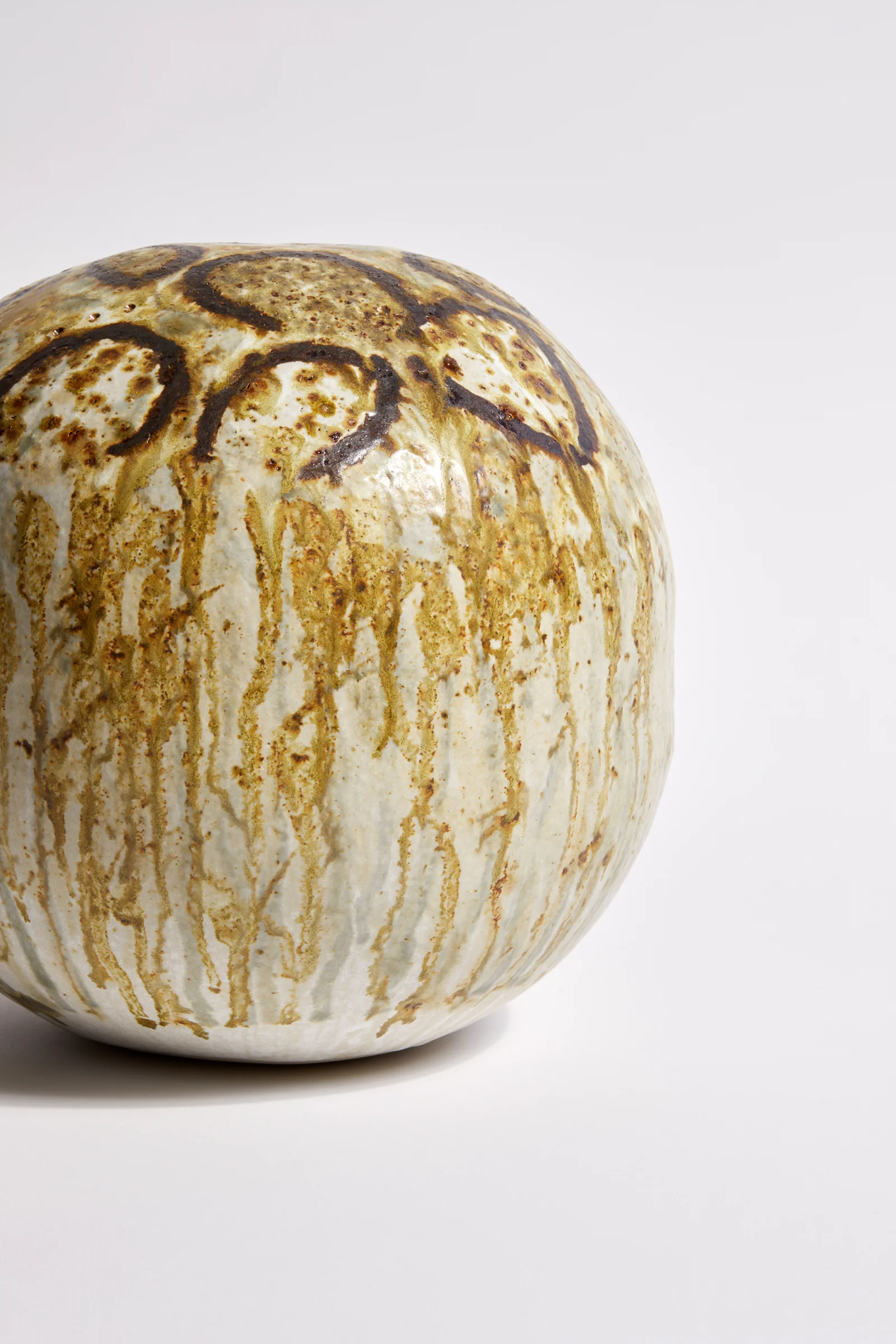
Her first apprenticeship was with potter Daniel Didier (Margarites, Crete, 2013) where she discovered the art of creating sound objects.
She later continued as an apprentice at the studio of ceramicist Theodora Chorafas (Aegina, Greece, 2014).
Subsequently, she attended seminars on ceramics technology with the following ceramicists, Kostas Tarkasis (Panhellenic Ceramicists & Potters Association), Menandros Papadopoulos (Iridanos studio, Athens), and Giorgos Vavatsis (Thessaloniki), and workshops on various techniques at the Sealed earth ceramic studio with Giorgos Tserionis (pixel mold), Simon Zsolt József (creative molding) and Hernan Vargas (hydraulic sound sculptures).
She has presented her work in two solo exhibitions and several group exhibitions in Greece and abroad.
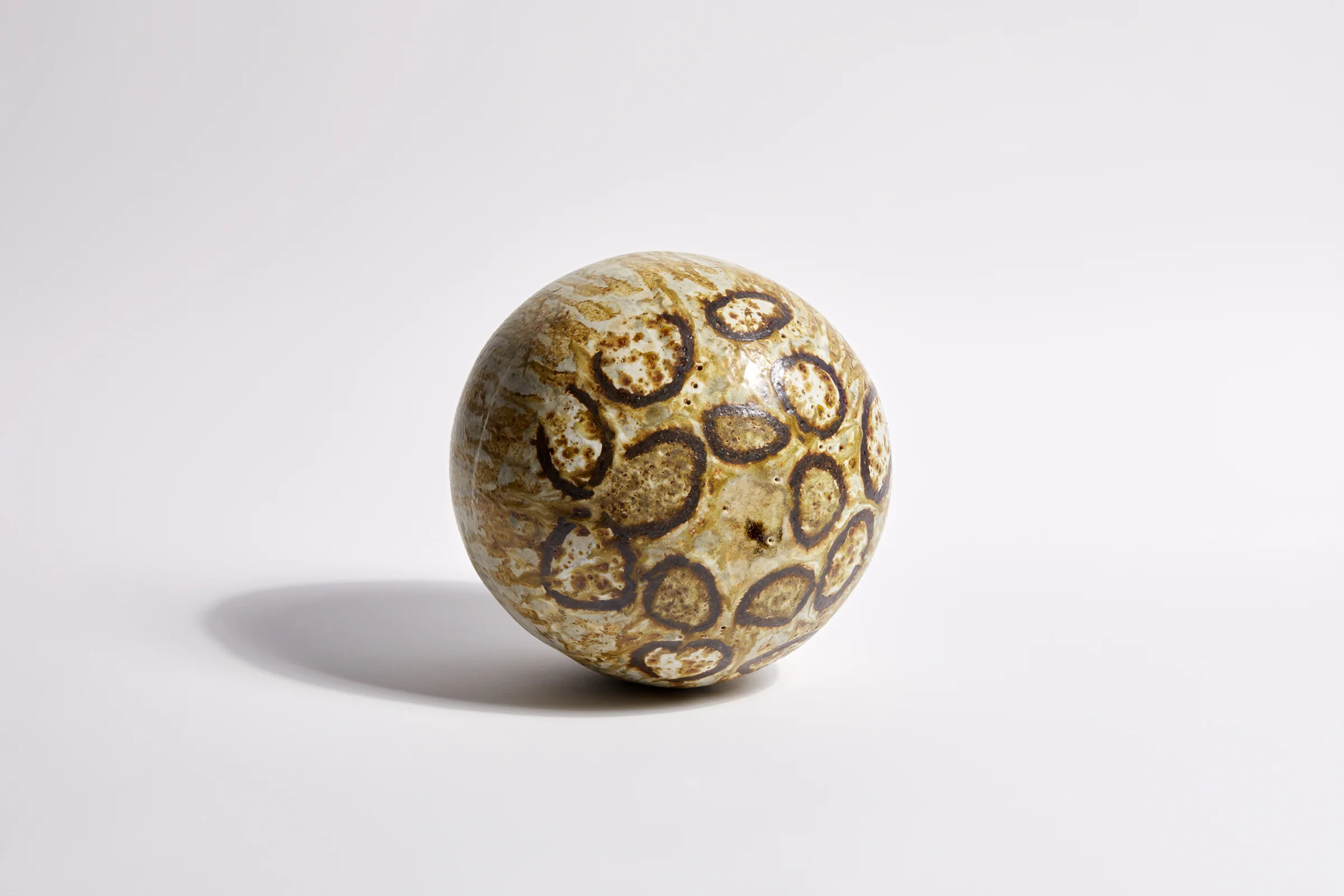
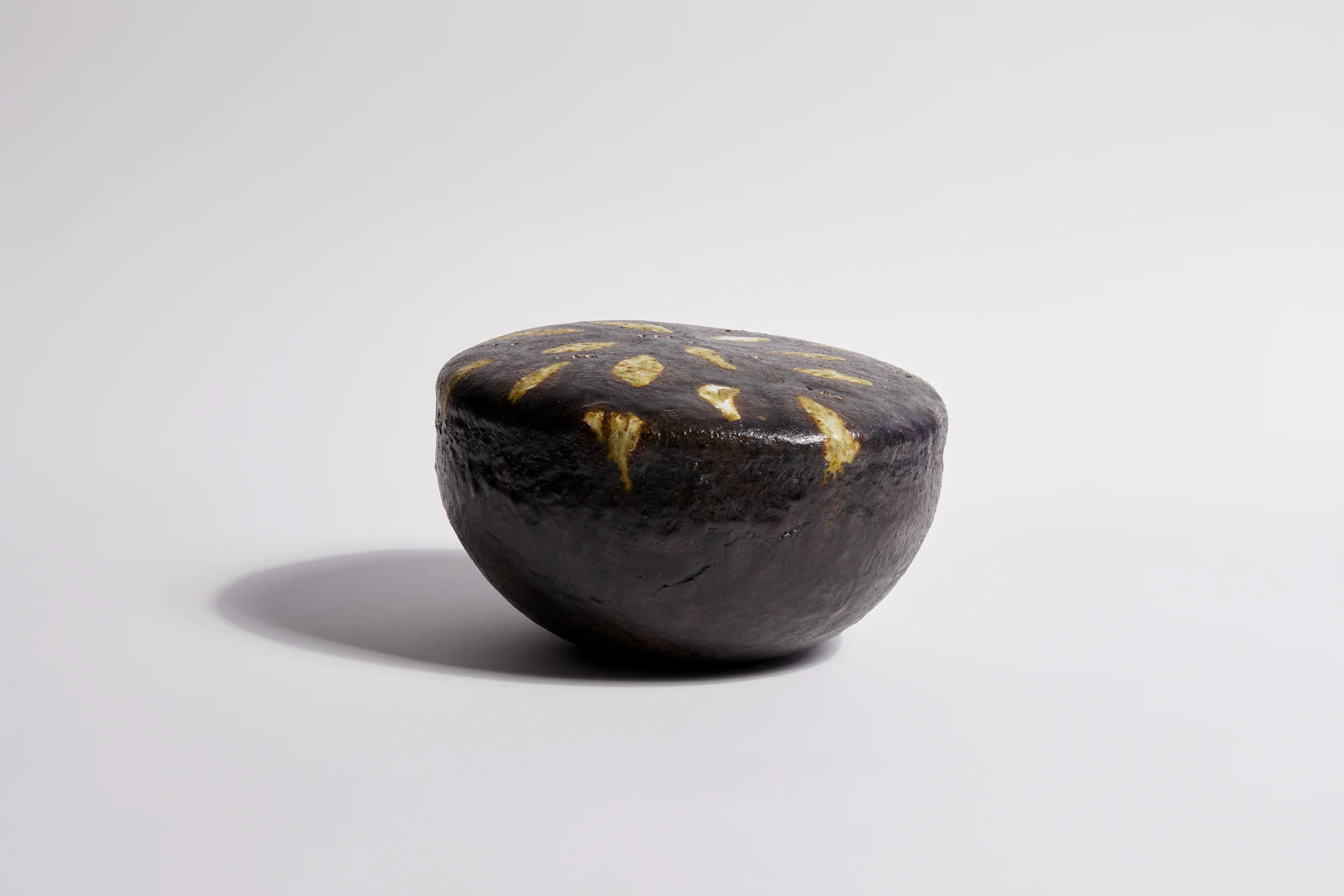
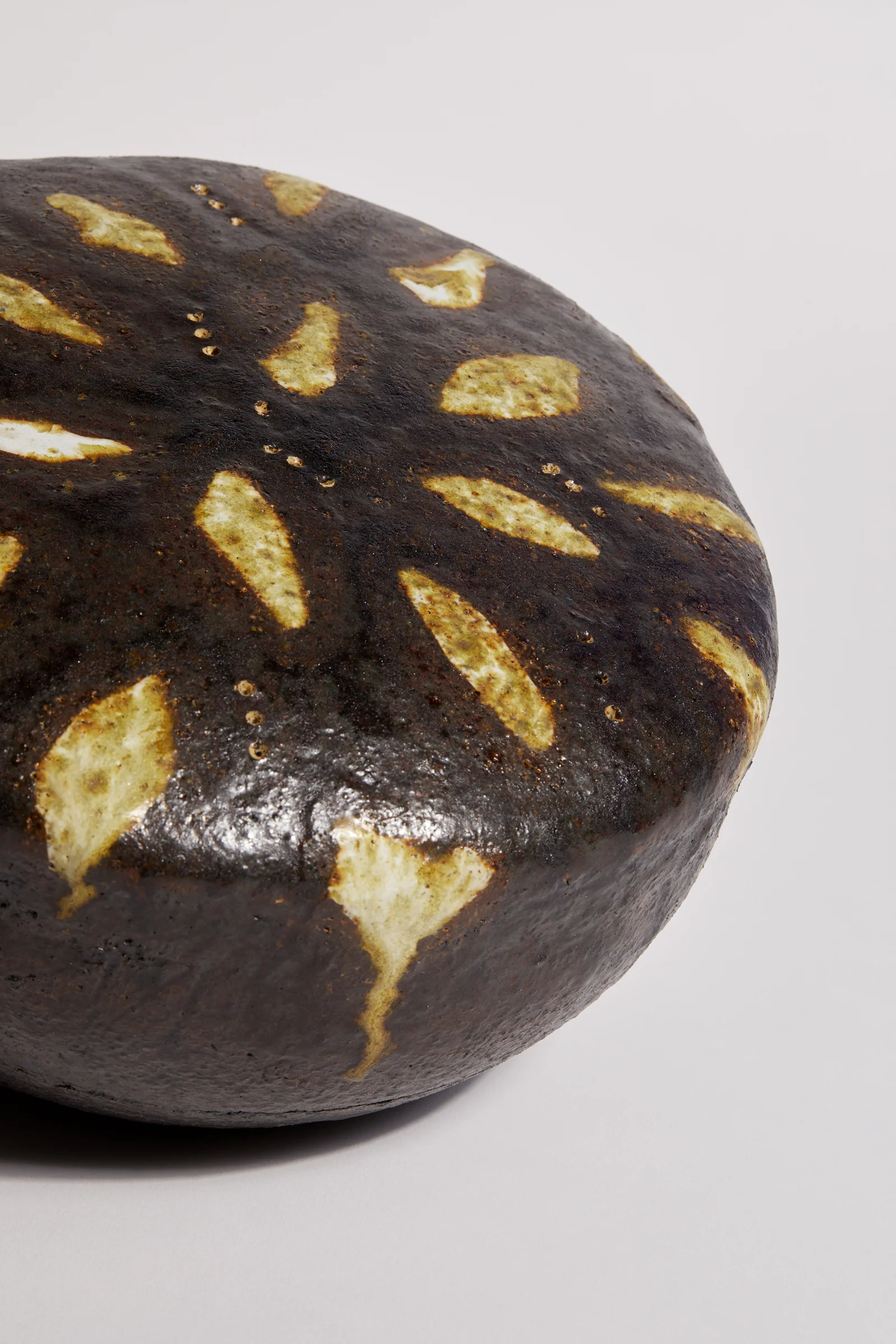
The last two years she presented the Sound pots in group exhibitions in France (Festival “Autour de la Terre II”, Biot, July 2023) and in Japan (International Kogei Award in Toyama, February 2021).